
Growing Up Loud: The Linda Lindas Brought Punk to Every Generation at House of
Blues
By: Shawna O’Hara, Editor – Photos by James Scully
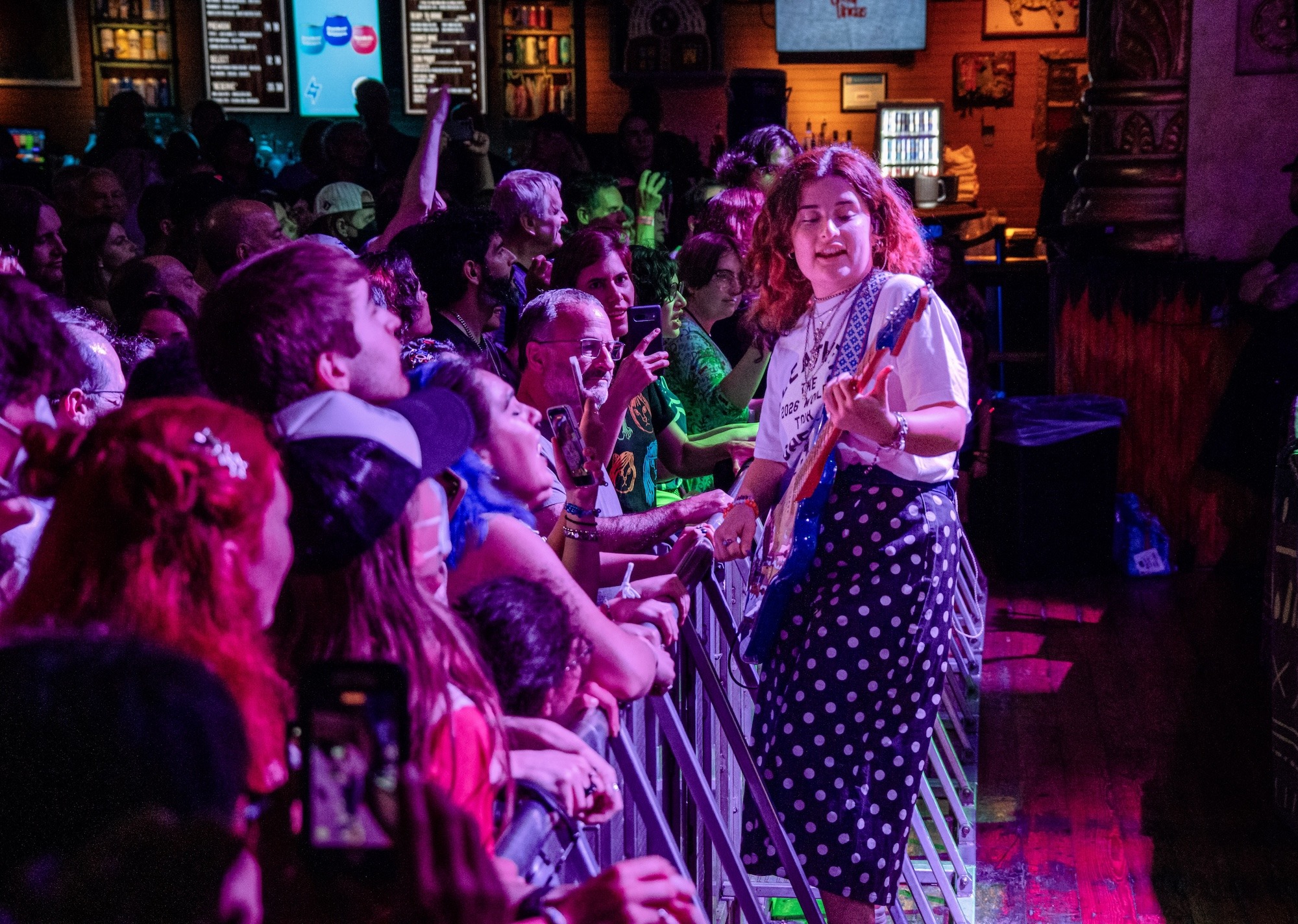
These days, it takes something special to bring old punk, new punk and families together for one concert experience. Everyone in attendance at The Linda Lindas’ show at Chicago’s House of Blues understood why the room felt so communal: the experience was for everyone.
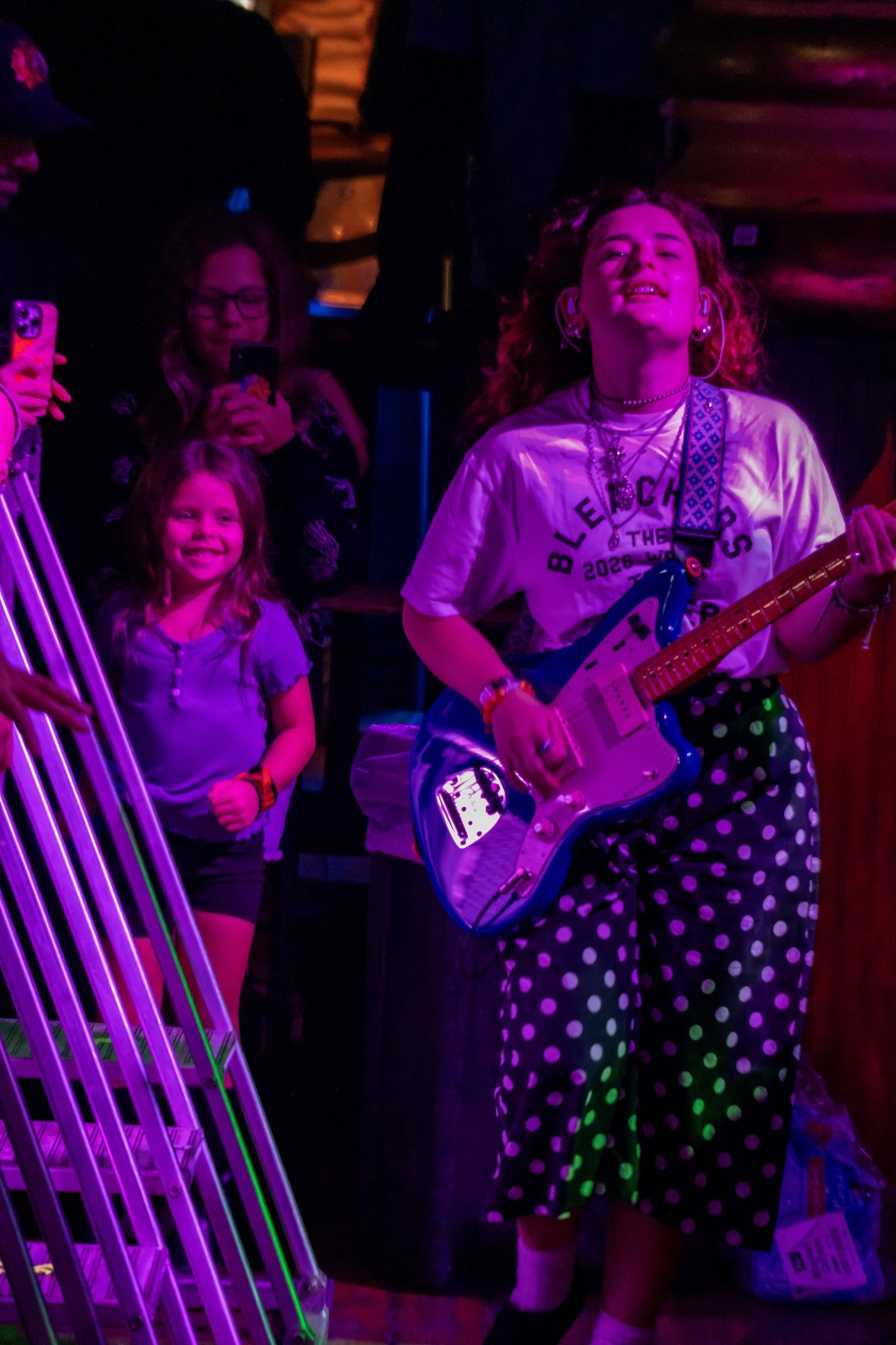
Before the headliners took the stage, it was all business. Parents ordered their little ones the standard fare of chicken tenders and fries from the bar; the smell of buttered popcorn wafted through the venue. Little girls in vintage punk tees and pigtails anxiously awaited the first notes. Elsewhere in the room, lifelong punk and alternative fans chatted, wearing merch from the Pixies to Alanis Morissette to New Found Glory.
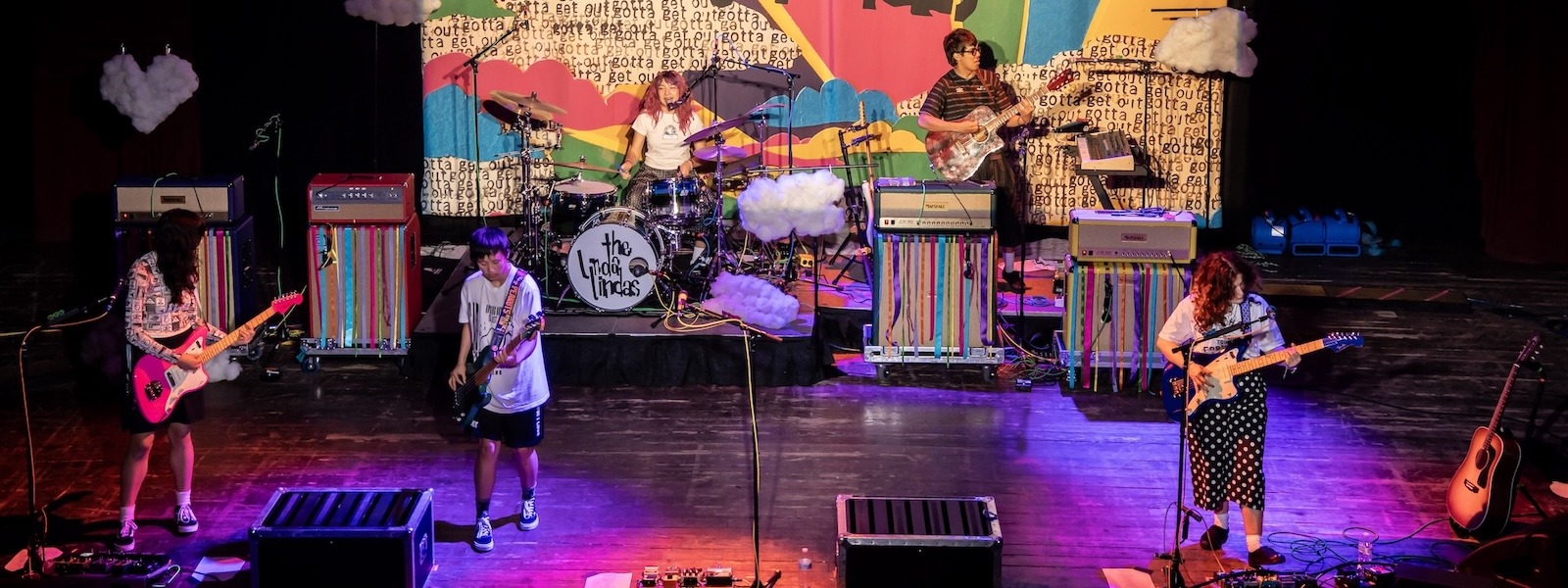
Then, without warning, the lights quickly flashed blue and red. Out burst The Linda Lindas, and the room absolutely erupted. Immediately, the cute family-show premise was blown apart by the quartet’s sheer force. The first surprise wasn’t how young The Linda Lindas were. It was how enormous they sounded. Across generations of rock fans, one thing was certain: this group can play.
From the first notes, their sound felt like that of a much older, well-oiled machine. They were polished without being overproduced, exceptionally tight and capable of bringing enormous energy to the room without missing a beat. Transitions were seamless, tempo changes came with ease, and their harmonies were immaculate. At times, the vocals were so clean they approached the precision of the record without sacrificing any of the spontaneity of a live performance.
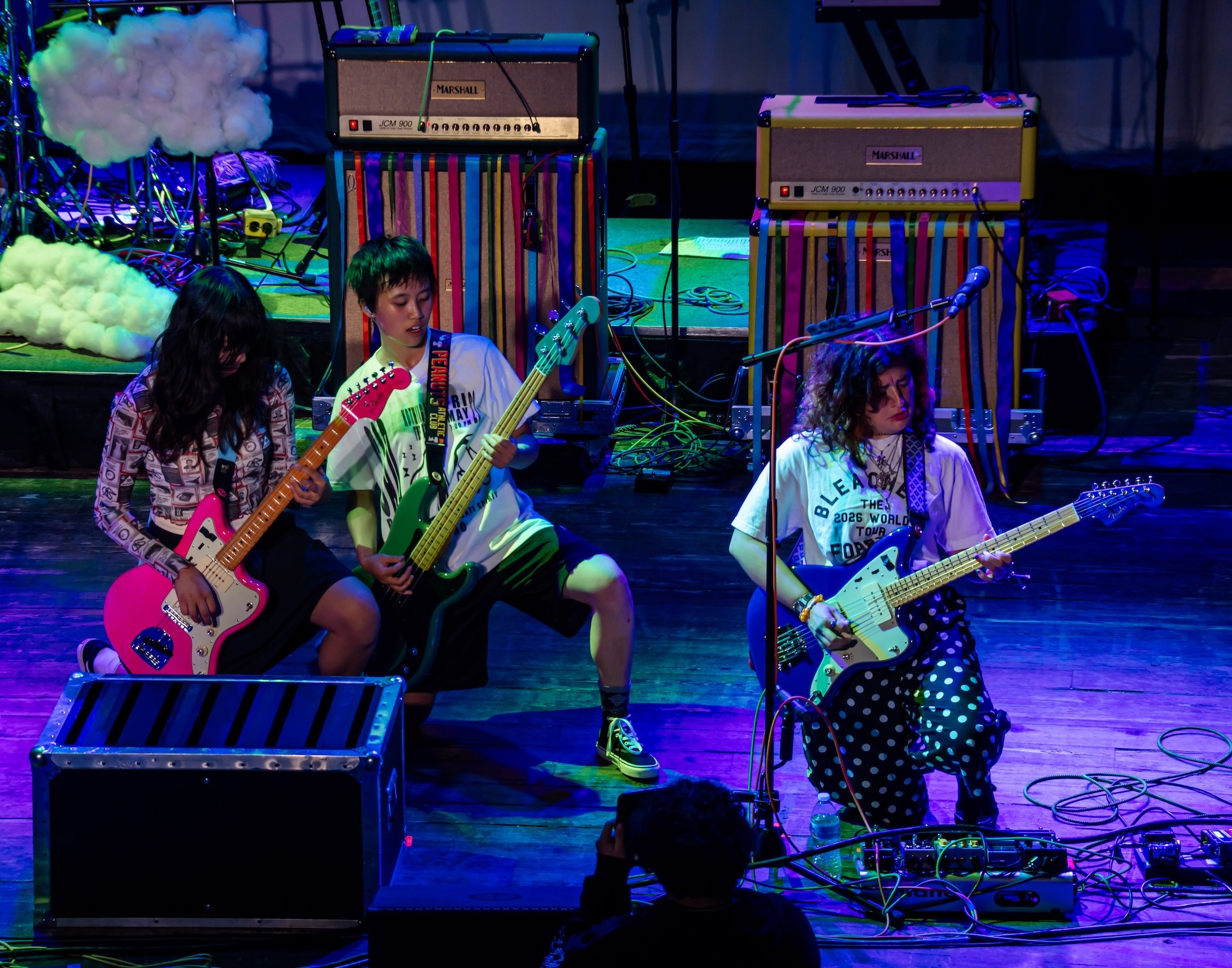
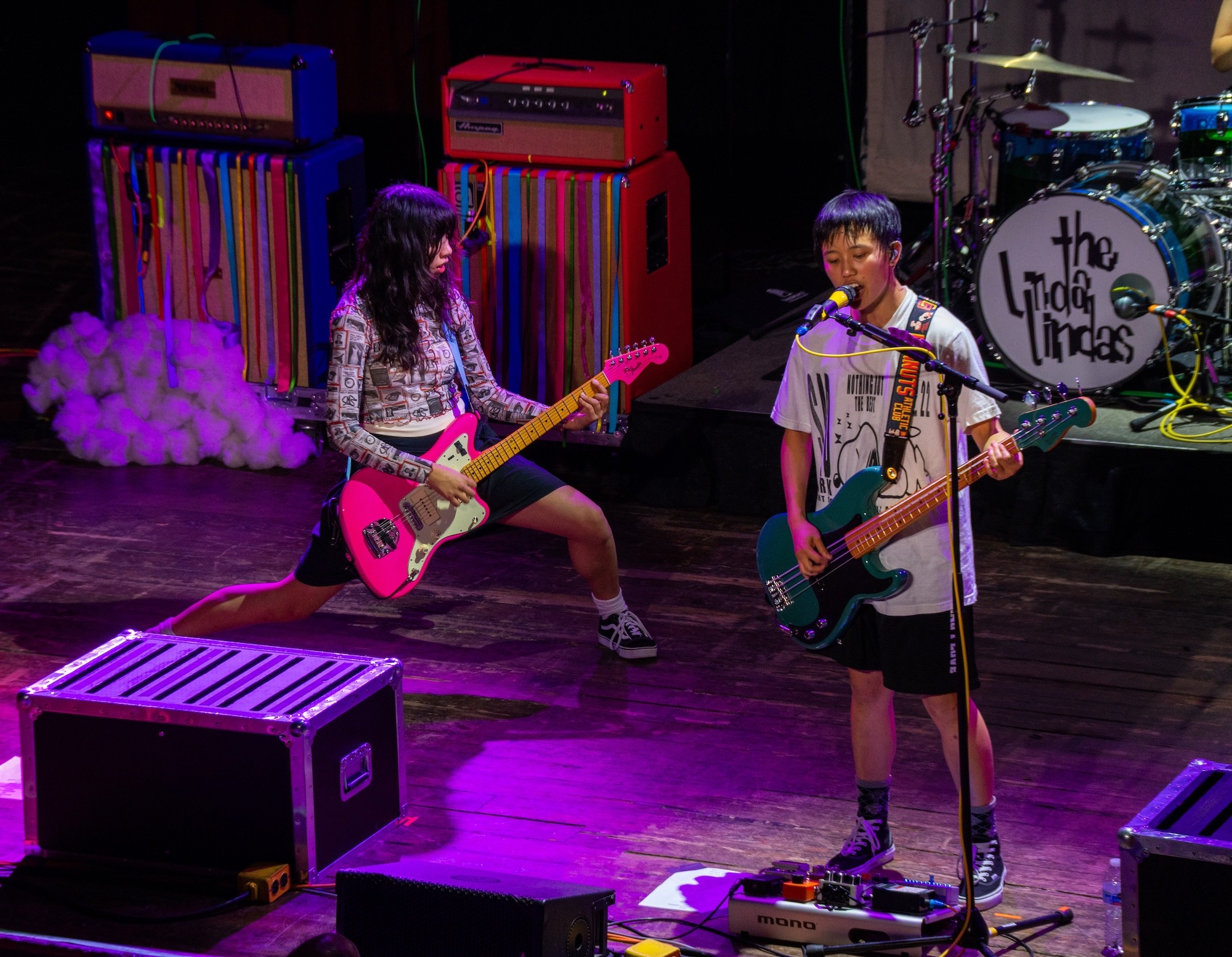
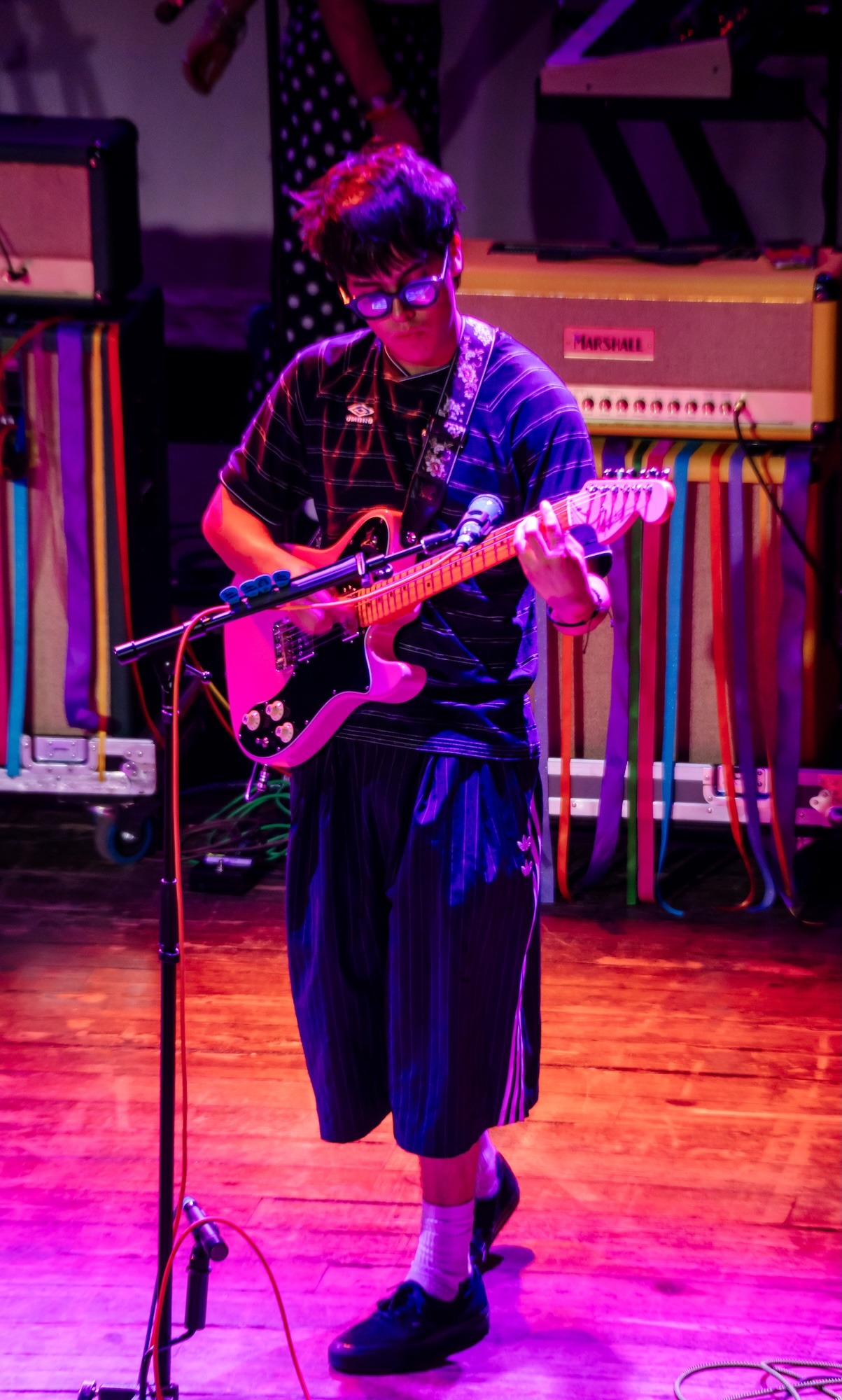
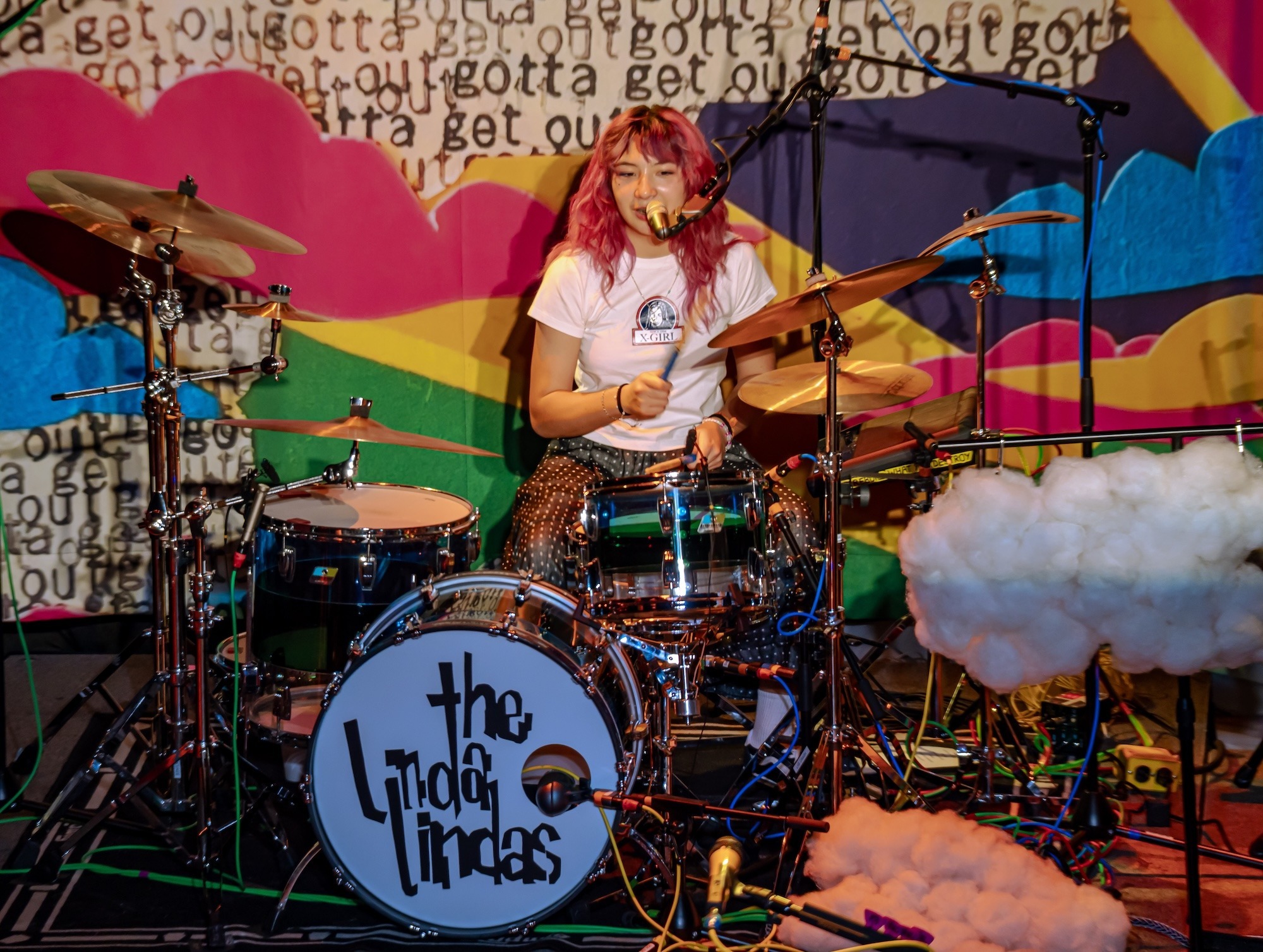
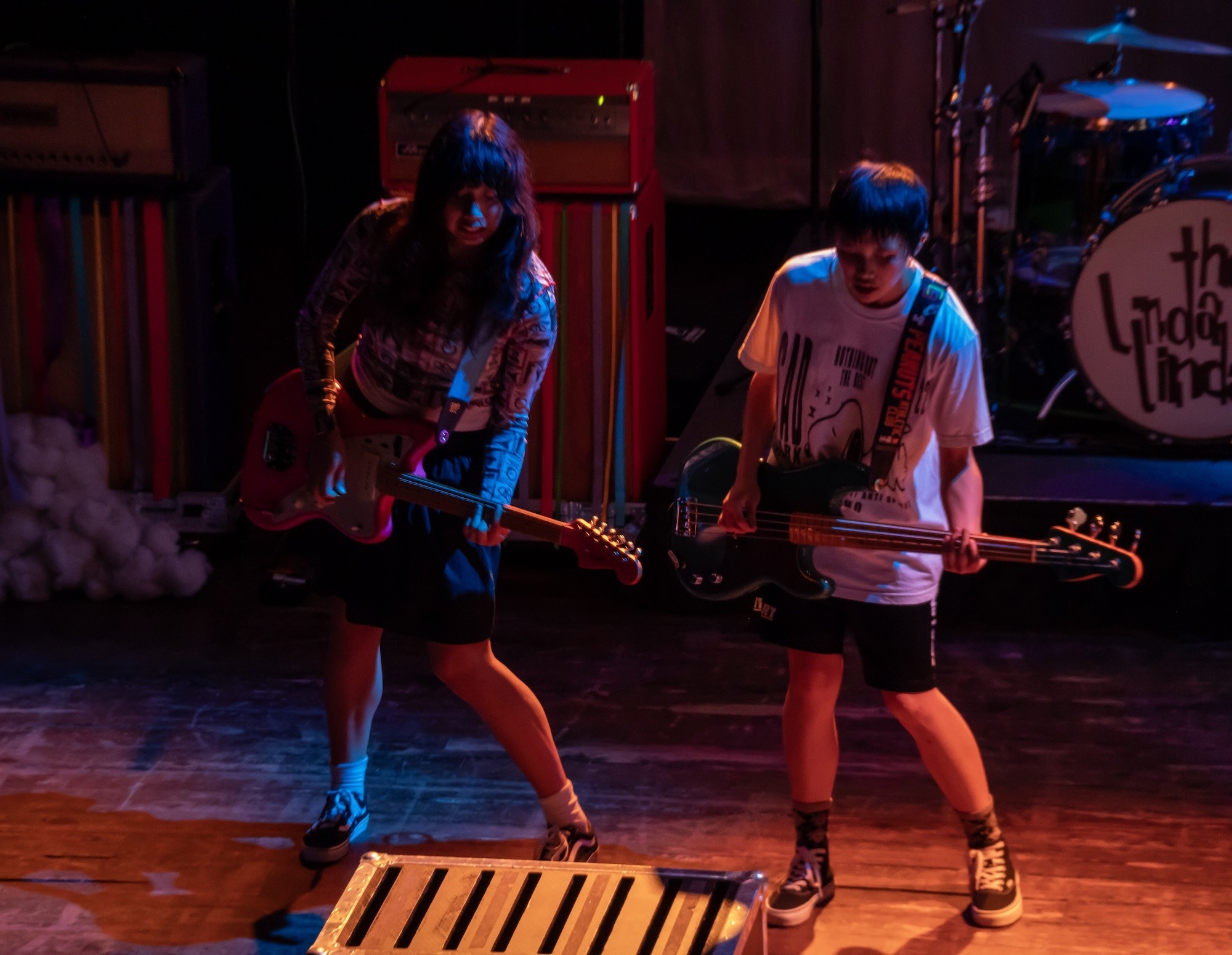
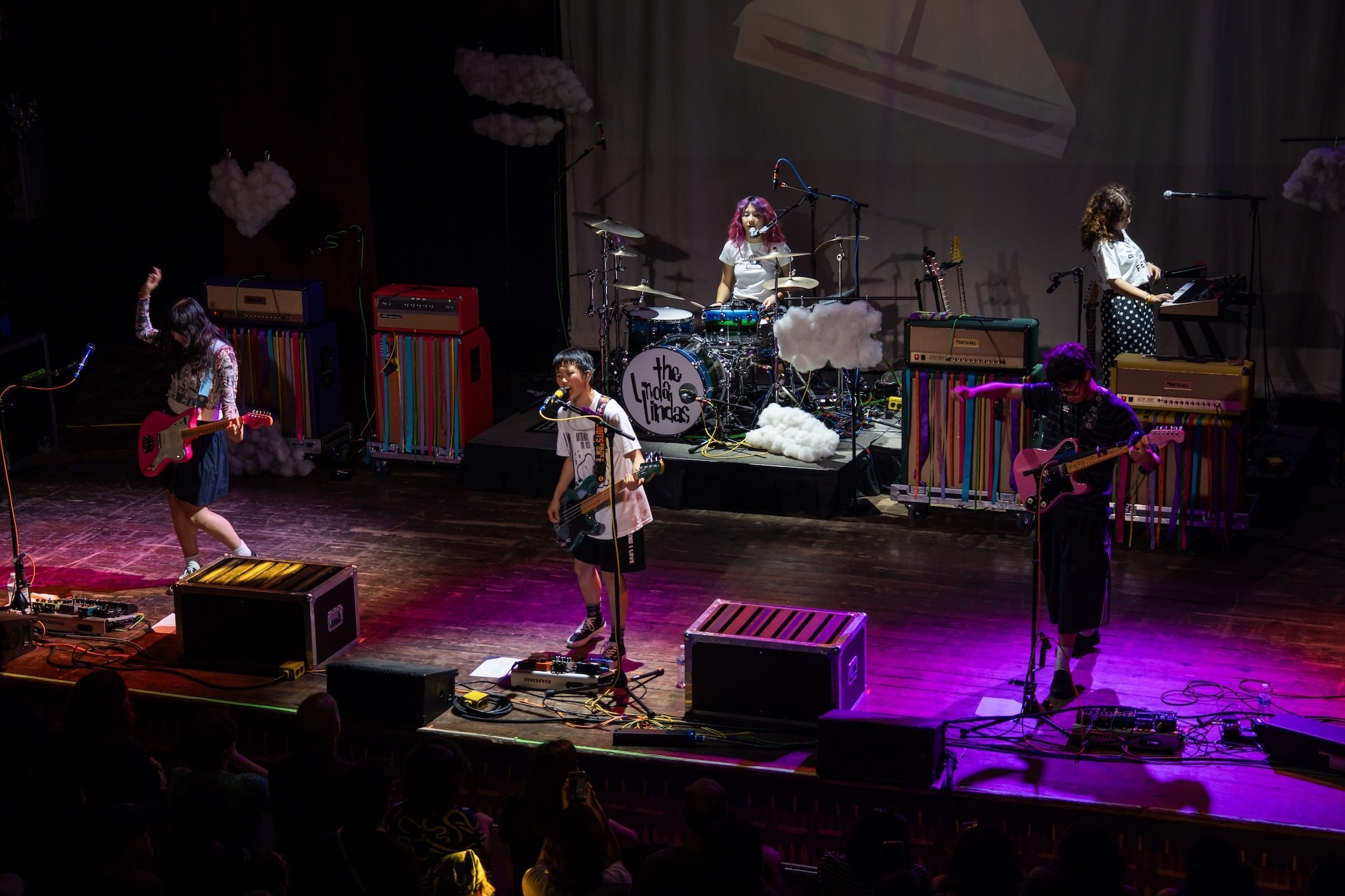
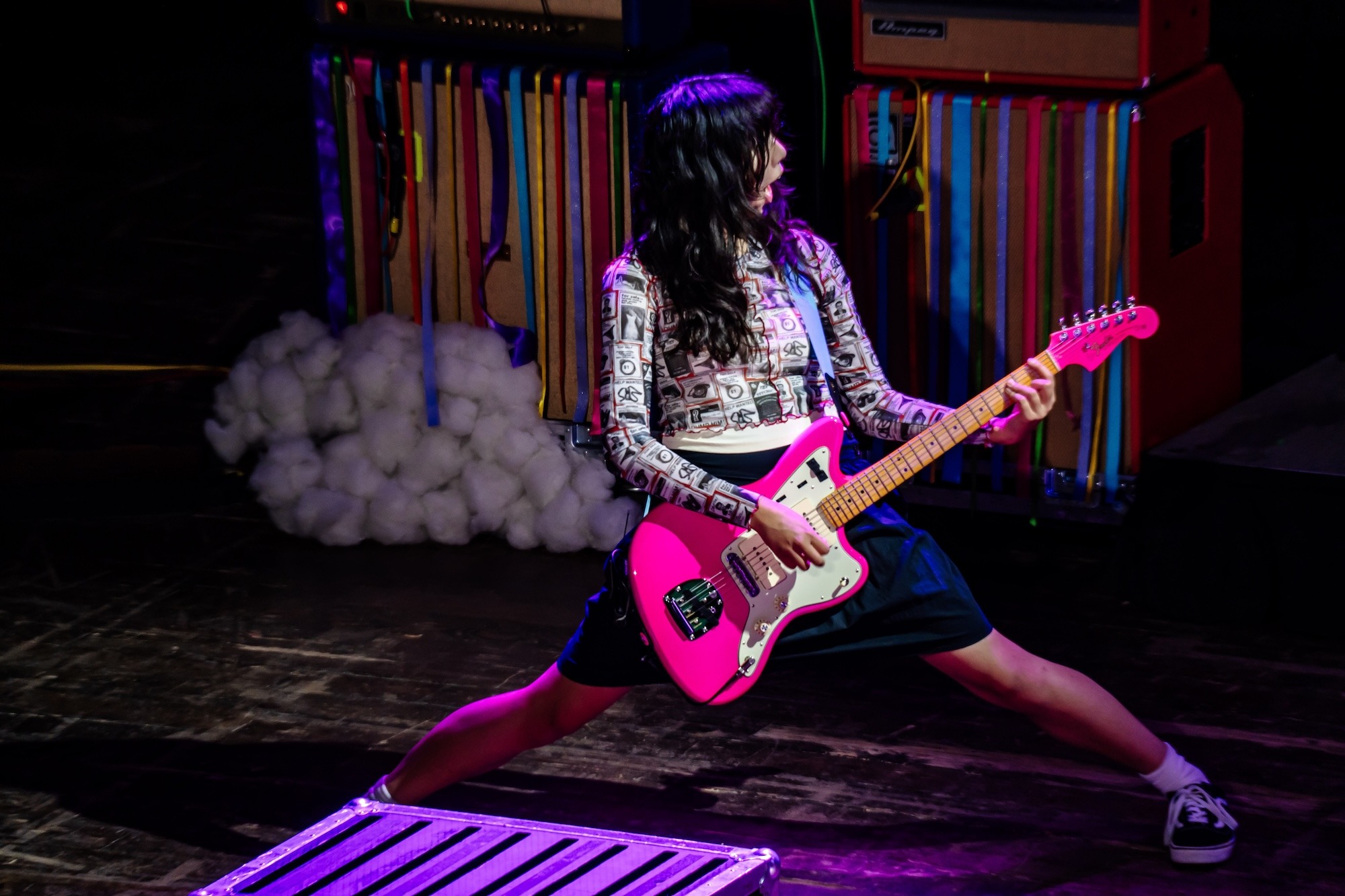
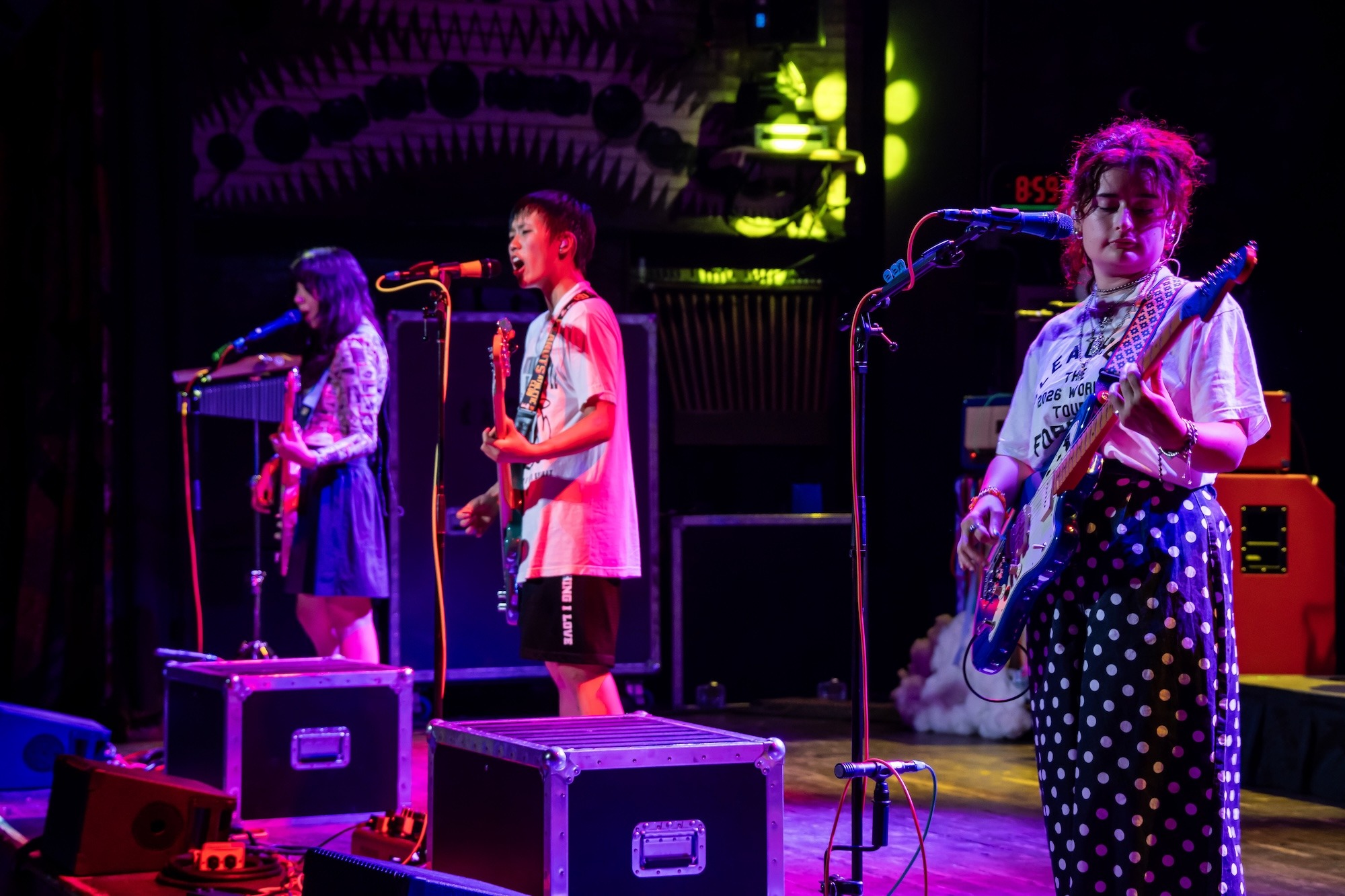
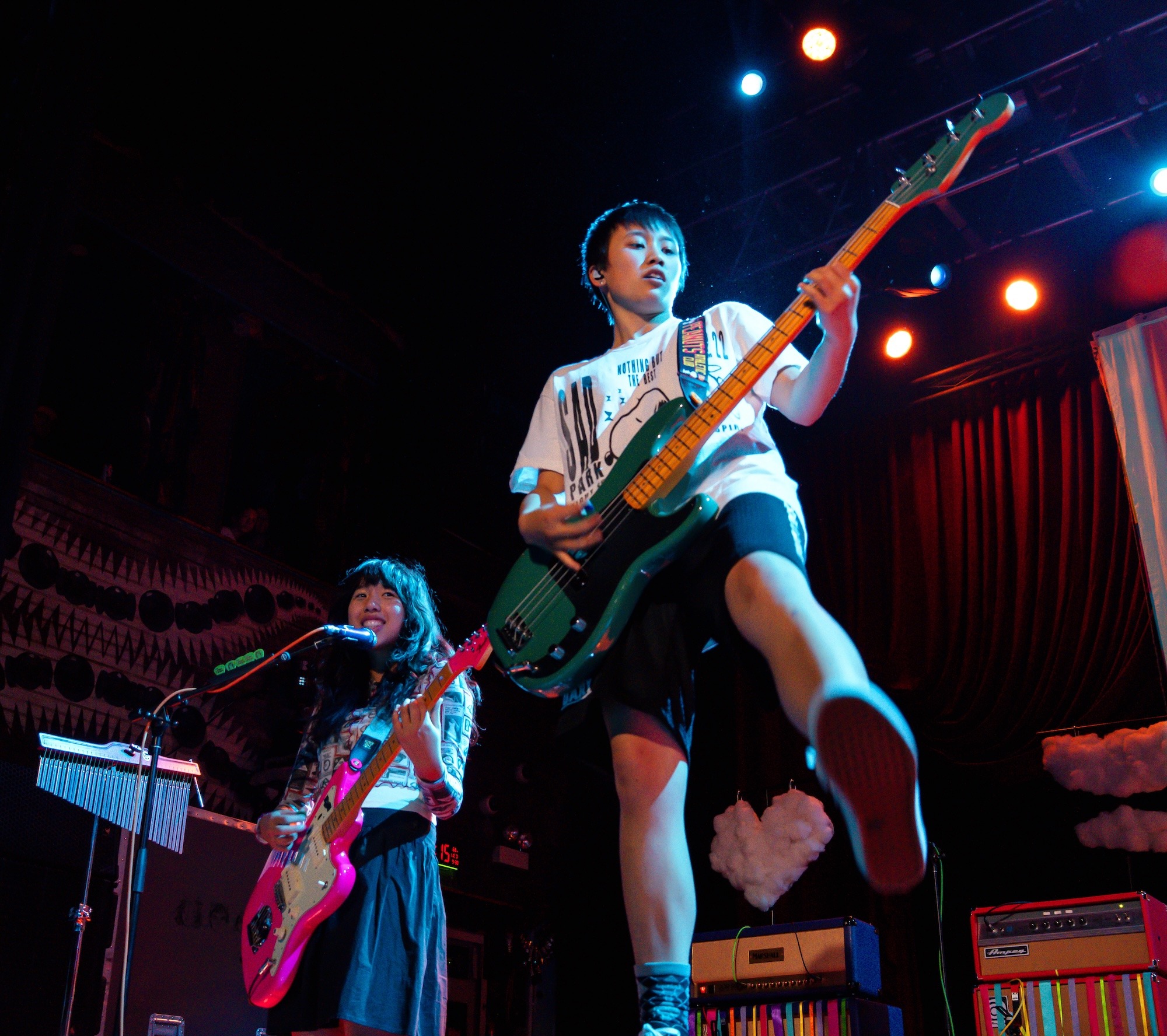
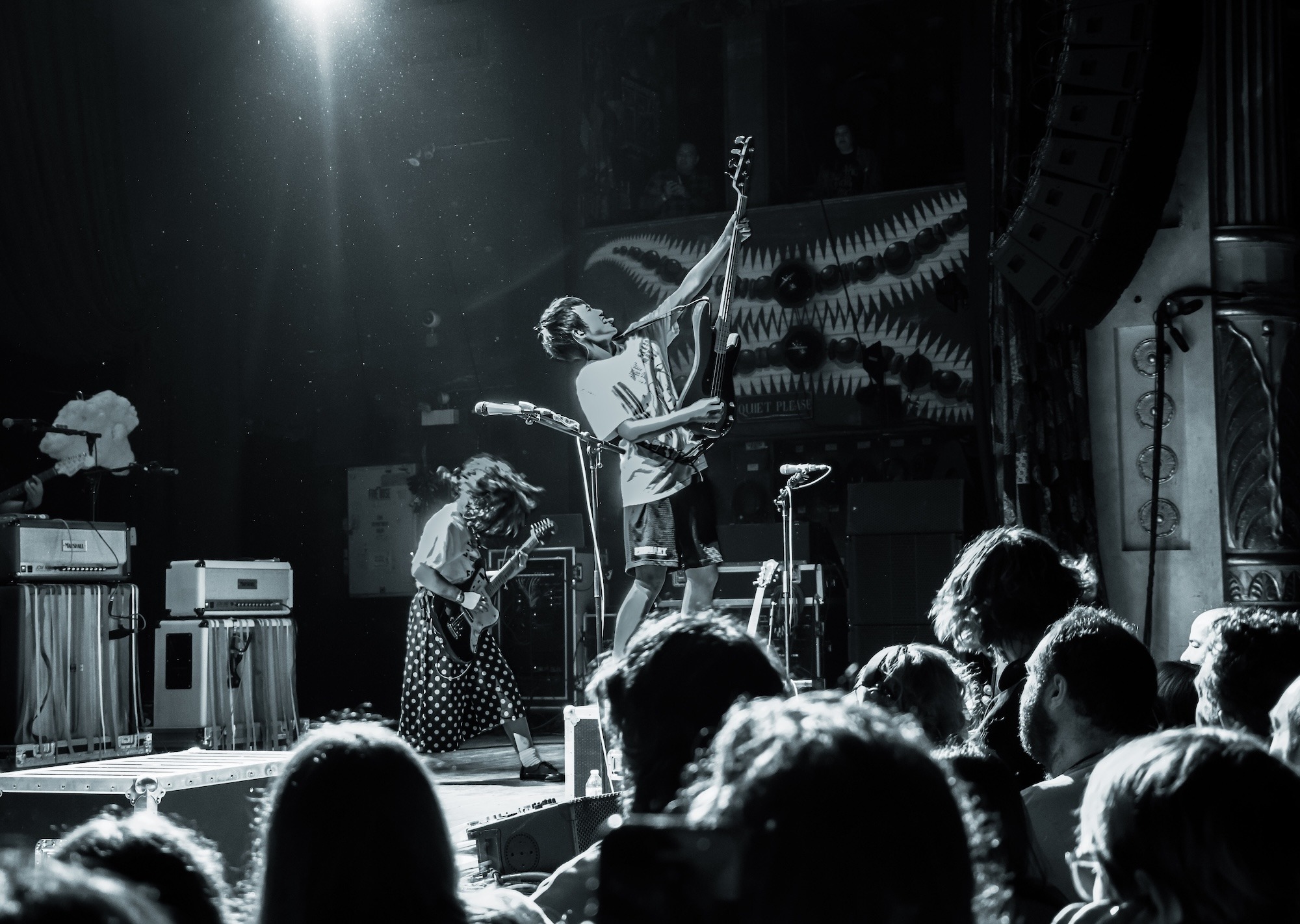
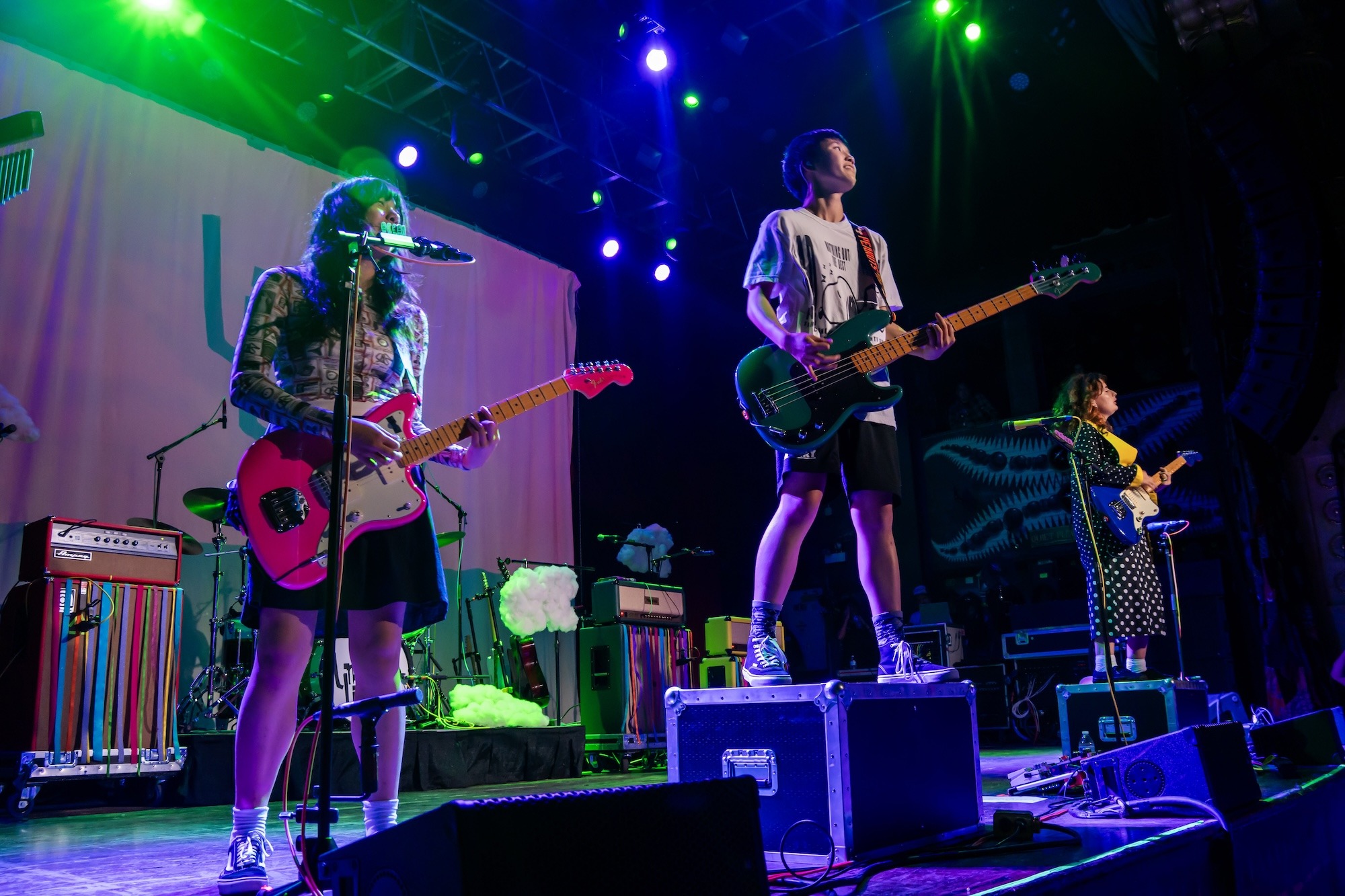
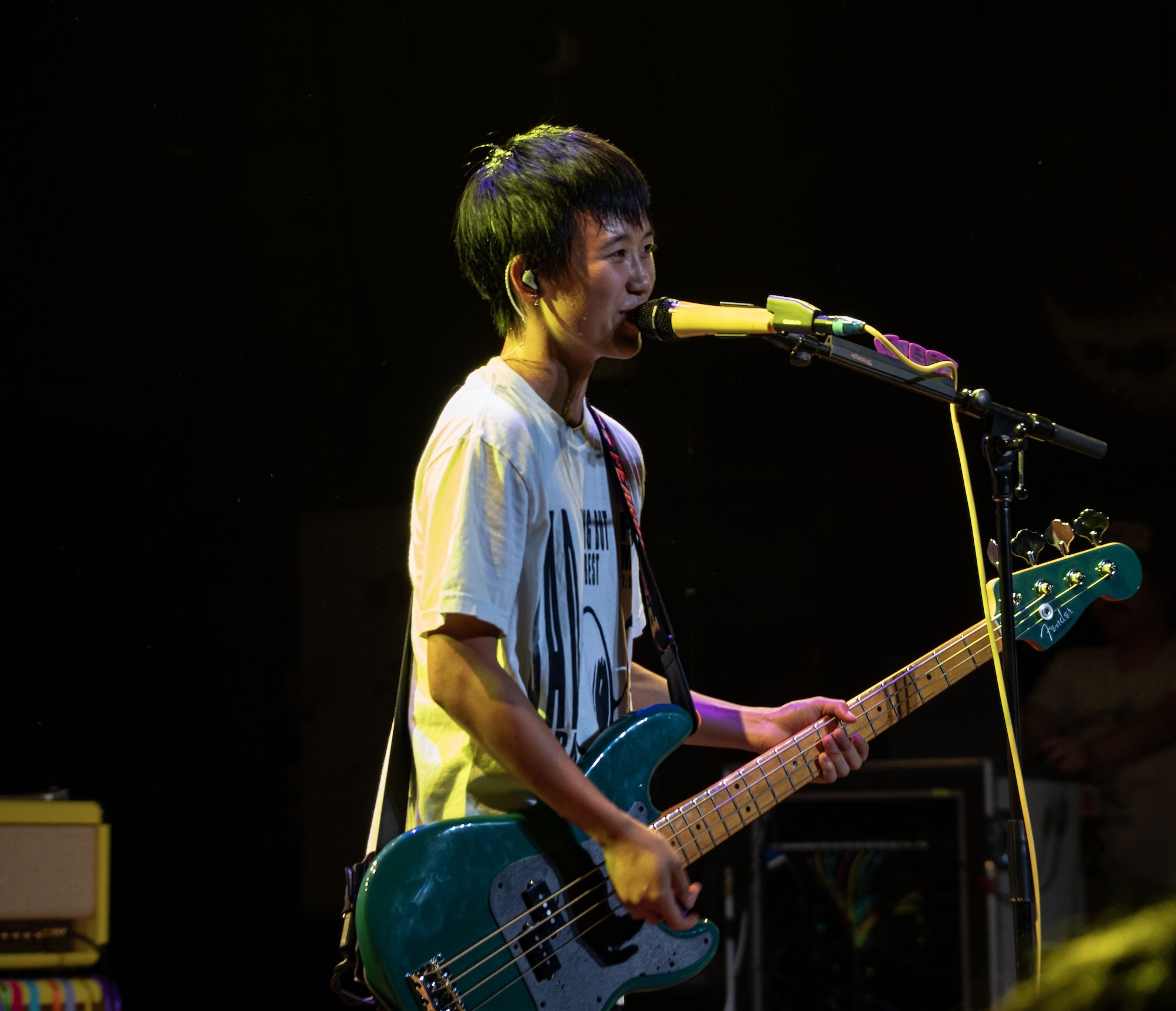
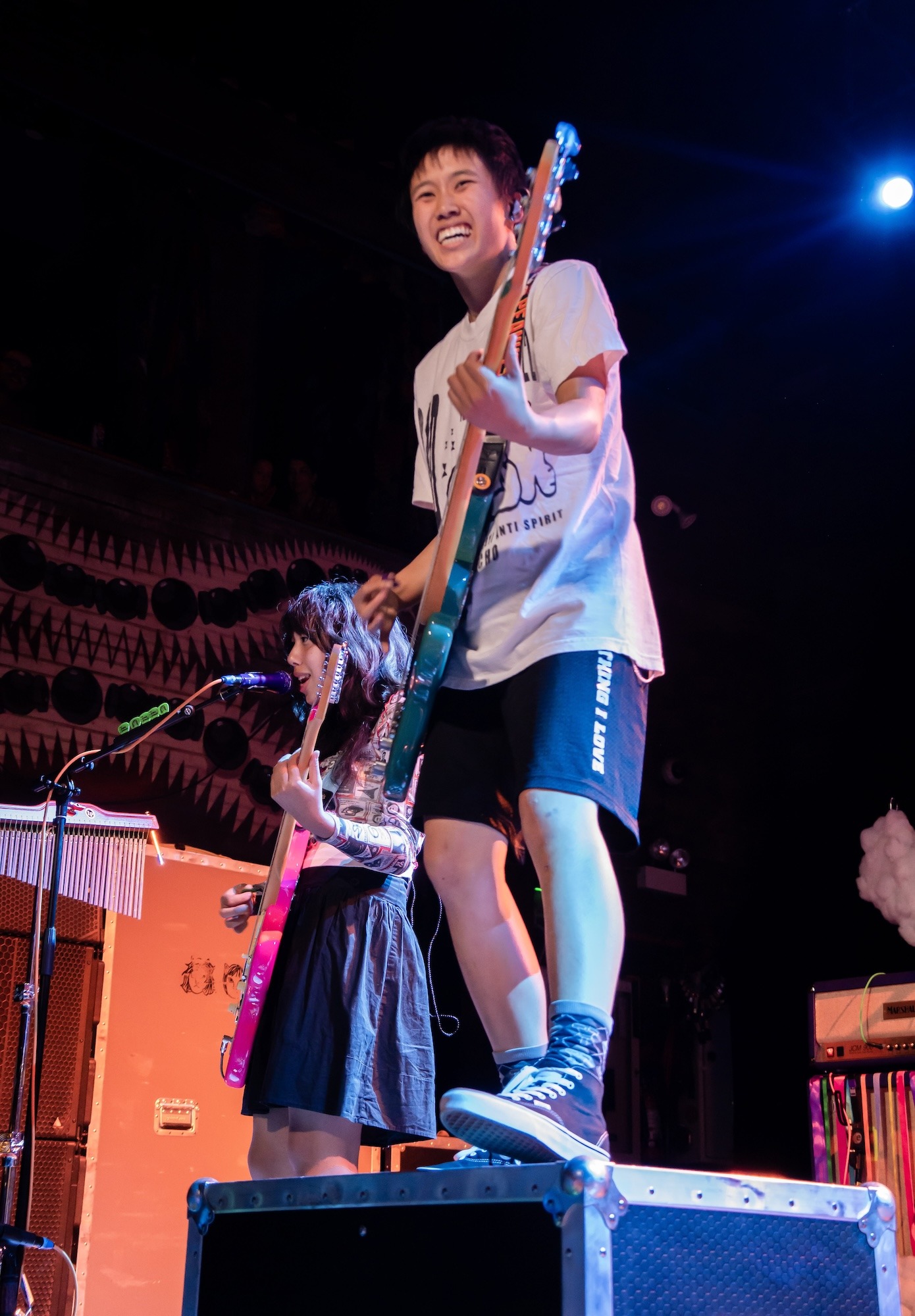
There is polish, and then there is the kind of polish that becomes invisible. The Linda Lindas have the latter. Naturally, the little ones in attendance brought their dance moves out early. Bassist and vocalist Eloise Wong, in particular, was joyful and charismatic in a way that made it seem as though she had been charming crowds since birth. But no one is a conventional frontperson here. Bela Salazar and Lucia de la Garza trade guitar and vocal duties, Mila de la Garza sings from behind the drums, and attention moves fluidly among all four members. They don’t simply play beside one another; they play with one another, laughing, riffing, and leaning into each other’s energy.
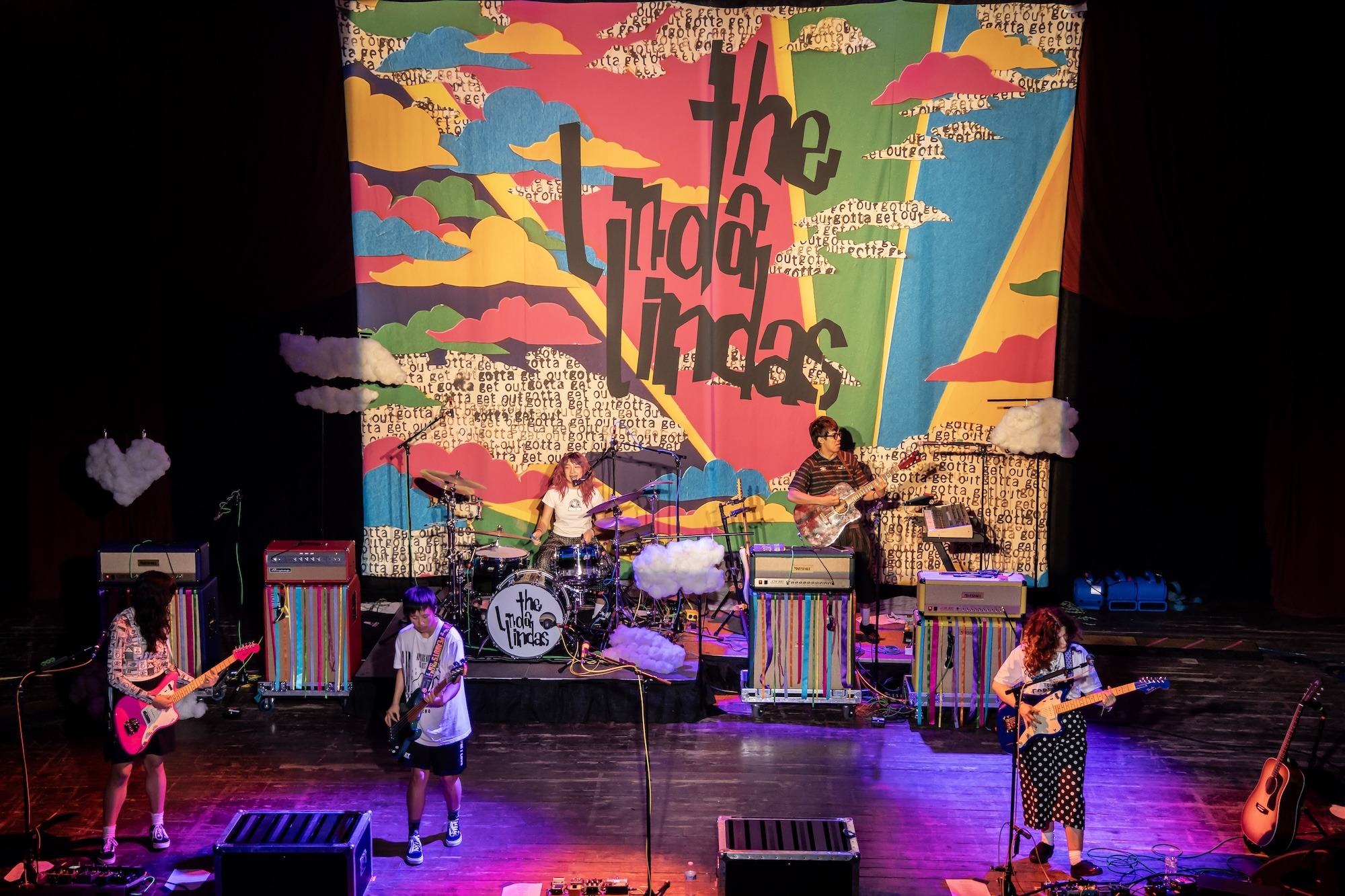
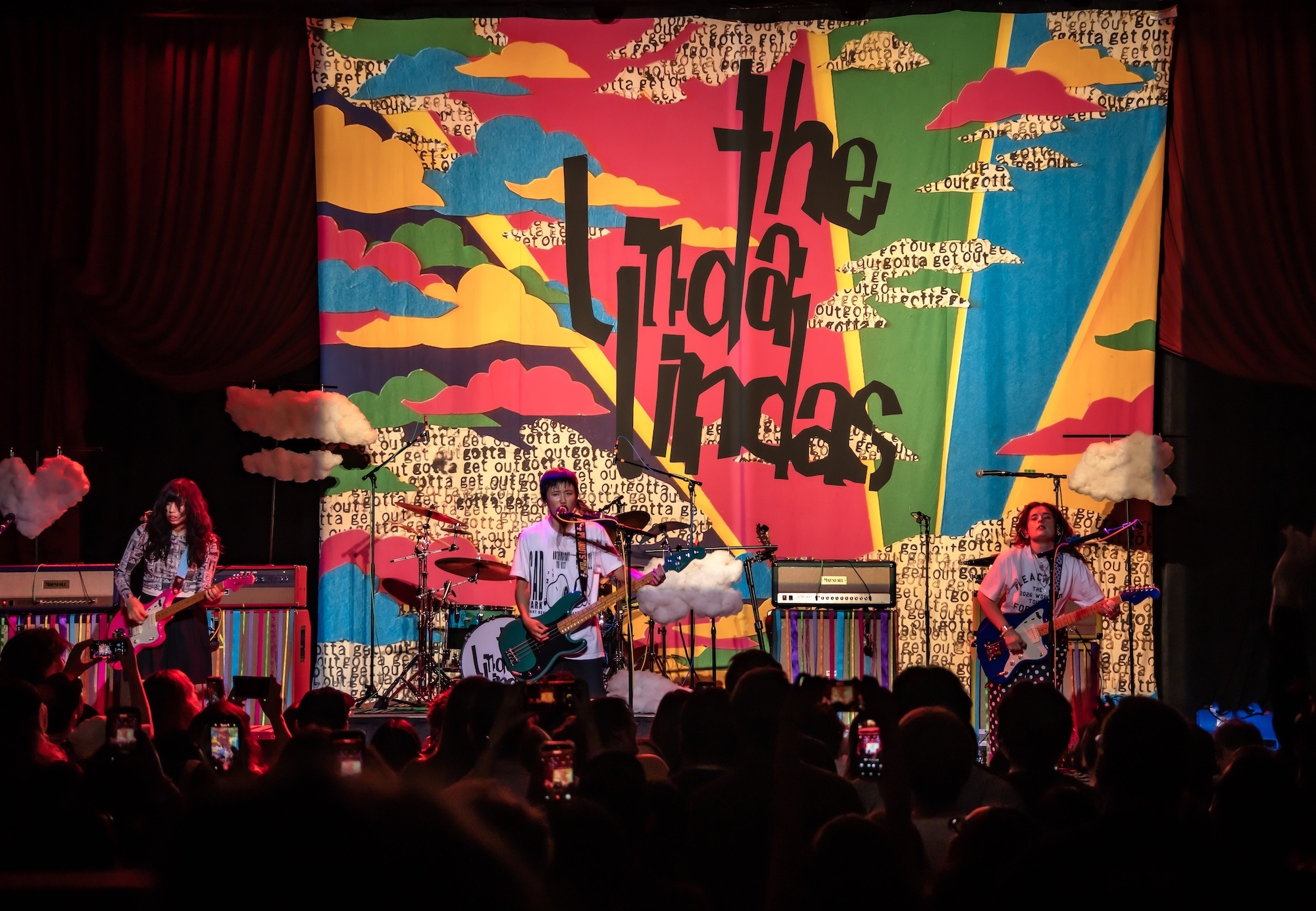
For all that technical precision, the night felt wonderfully homemade. Dreamy clouds floated behind the quartet, colorful streamers decorated the stage, and the band’s artwork appeared throughout the venue. The visual world complemented the musicians themselves: carefully considered without feeling overly manicured.
However packed the venue, the Linda Lindas give their fans the experience of stumbling into an exceptionally talented group of friends practicing in their garage, only this garage happened to be stuffed with hundreds of onlookers.
That feeling is intentional. Wong designed the cloud-filled visual world surrounding the band’s latest album, Gotta Get Out, embracing handmade paper, glue, rubber stamps, and even the imperfections left behind in the process. The same balance exists in the band’s live show. The Linda Lindas are startlingly polished, but they haven’t polished away the human part.
Musically, that humanity is getting heavier.
Across the set, the band’s evolution was audible. Their melodic punk foundation remained, but newer material ventured into darker, harder territory without ever becoming bleak. Guitars grew more muscular. Tempo changes became more adventurous. At one point, the guitar’s weight under the performance veered almost into Black Sabbath territory.
Still, melody never strayed far. Early in the show, before knowing what was coming later, the thought was unavoidable: The Linda Lindas can sound a little like the Go-Go’s if someone cranked up the distortion.
Then they covered the Go-Go’s.
Their take on “Tonite” satisfied everyone, pairing buoyant hooks and harmonies with the band’s considerably harder punk attack. Even the mosh pit it inspired seemed to match the room’s peculiar warmth. Rather than an angry collision, it looked almost celebratory, a bunch of people happily throwing themselves around at the same party.
That joy didn’t mean the band had nothing serious to say.
Throughout the night, The Linda Lindas repeatedly connected punk to participation outside the venue. They spoke about environmental responsibility, the choices consumers make about where their money goes, and the consequences of putting profit and convenience before people and the planet. During “Blood on Our Hands,” the band’s heavier sound gave those concerns additional teeth.
They also used the show to support the National Immigration Law Center, encouraging attendees to donate for a chance to win a signed setlist, and reminded the crowd about the importance of voting.
The messages never felt stapled onto the performance. They were part of the same idea animating everything else onstage: community requires participation.
Of course, this was still Chicago, so things could only remain serious for so long.
While talking about exploring the city, including the sight of people huddling beneath Cloud Gate to escape the rain, the crowd suddenly found its rallying cry.
“BEAN! BEAN! BEAN!”
For a moment, House of Blues became a room full of punk fans chanting enthusiastically about a giant reflective legume. The band laughed along.
It was silly, distinctly Chicago, and perfectly suited to a show that never seemed particularly interested in separating performer from audience.
That relationship was most apparent in what wasn’t happening in the crowd. Relatively few phones were raised. People were watching. Kids knew the lyrics. Little girls danced. Adults moved with the music. Parents and children experienced the same punk show together without the music ever feeling diluted into “family entertainment.”
The parents in the room may have been introducing their children to the music they grew up loving, but The Linda Lindas were offering those kids something perhaps more important: a punk band that belongs to them.
By the encore, that idea came full circle.
Before launching into “Racist, Sexist Boy,” the band urged the room to continue standing up for trans people, people of color and others targeted by hate. Then came the song that helped introduce The Linda Lindas to much of the world, now being shouted back at them by another generation of young fans.
The most punk thing in the room wasn’t the mosh pit. It wasn’t the distorted guitars, or even a song called “Racist, Sexist Boy.” It may have been watching kids discover that loud music can be joyful, communal, political, and entirely theirs.
The Linda Lindas don’t sound remarkably good for their age. They just sound remarkably good.
Read more reviews here!
Gallery:
Links:
The Linda Lindas:
Official: https://www.thelindalindas.com/
Facebook: https://www.facebook.com/TheLindaLindas/
Instagram: https://www.instagram.com/the_linda_lindas/